


Chengdu Yiwei New Energy Automobile Co., Ltd.

Search For
Search for what you want
The Frontline of Commercial Vehicle Electrification
While the global transition to zero-emission transportation often highlights long-haul logistics, a structural revolution is quietly taking place inside our cities. Municipal sanitation fleets are rapidly transitioning from traditional diesel-powered engines to pure electric trucks. This shift is not merely a trend driven by climate targets; it is a logical response to unique operational demands.
Urban refuse collection, street sweeping, and dust suppression represent some of the most energy-intensive, high-emission, and wear-heavy vocations in the transportation sector. By replacing heavy-duty diesel engines with high-efficiency electric motors, municipalities are unlocking massive operational savings while drastically improving the quality of life for urban residents.
But why are these specialized local government fleets leading the charge, leaving long-haul logistics to play catch-up? The answer lies in the alignment between the duties of sanitation work and the inherent strengths of electric drivetrains.
Key Drivers of Sanitation Electrification
Six distinct operational and economic reasons why electric drivetrains outperform internal combustion engines in municipal service.
Diesel Cost Mitigation
Sanitation trucks consume massive amounts of fuel, not just for propulsion, but also to power hydraulic compactors, water pumps, and air blowers. Electric trucks bypass volatile diesel prices entirely, converting grid energy directly into high-torque motion and auxiliary power with up to 90% efficiency.
Zero Local Emissions
Traditional diesel trucks release particulate matter and NOx directly into neighborhoods where citizens live and play. Electric sanitation fleets produce zero tailpipe emissions, helping city councils meet localized air quality targets and protect public health.
Quiet Urban Operations
Refuse collection often occurs during early morning or late night hours. Diesel engines operating at high RPMs to run hydraulic pumps generate considerable noise pollution. Electric trucks operate in near-silence, minimizing disruption to sleeping neighborhoods.
Regenerative Braking Advantages
A garbage truck stops every few yards to collect bins, causing massive wear on traditional friction brakes. Electric trucks utilize regenerative braking to slow the vehicle down, capturing kinetic energy and returning it to the battery pack while saving thousands on brake maintenance.
Predictable Routes & Charging
Unlike long-haul logistics, sanitation trucks run predetermined routes and return to a central depot at the end of every shift. This schedule eliminates range anxiety and allows municipalities to install dedicated, cost-efficient overnight charging infrastructure.
Reduced Mechanical Complexity
Electric drivetrains eliminate hundreds of moving parts found in diesel engines, such as pistons, transmissions, spark plugs, and complex emission control systems (DPF, SCR, DEF). This simplification leads to vastly improved uptime and reduced garage hours.
Sanitation vs. Long-Haul Trucking
Why local municipal vehicles are structurally better positioned for rapid EV adoption than long-distance freight carriers.
| Feature | Municipal Sanitation Trucks (EV Ideal) | Long-Haul Freight Trucks (EV Challenged) |
|---|---|---|
| Daily Range Requirements | Low to Moderate (50 - 150 miles per day) | High (300 - 600+ miles per day) |
| Duty Cycle & Speed | Frequent stop-and-go, low-speed urban streets | Continuous high-speed highway cruising |
| Braking & Energy Recovery | High recovery potential via regenerative braking | Minimal regenerative braking opportunity on highways |
| Charging Infrastructure | Centralized depot charging (overnight, off-peak) | Requires massive public fast-charging network |
| Power Take-Off (PTO) | Electric PTO operates hydraulics instantly and quietly | Primarily propulsion-focused energy draw |
Yiwei Auto: Empowering the Future of Green Municipalities
As the sanitation sector transitions to zero-emission technology, Yiwei Auto stands at the forefront of innovation. We specialize in designing and manufacturing high-performance, purpose-built electric truck chassis and integrated complete vehicles specifically optimized for municipal sanitation applications.
Our proprietary electric drive platforms are engineered from the ground up, ensuring seamless integration between the battery, motor, and vehicle auxiliary systems. By optimizing weight distribution, thermal management, and power take-off (PTO) efficiency, Yiwei Auto vehicles deliver maximum reliability and productivity for urban services.
Whether you require pure electric battery configurations for short-to-medium routes or advanced hydrogen fuel cell systems for heavy-duty, extended-shift operations, our versatile product line delivers the precise solution for your city's clean air initiative.

4.5-Ton Electric Truck Chassis
View Specifications
10-Ton Electric Truck Chassis
View Specifications
12.5-Ton Electric Truck Chassis
View Specifications
18-Ton Electric Truck Chassis
View Specifications
25-Ton Electric Truck Chassis
View Specifications
31-Ton Electric Truck Chassis
View Specifications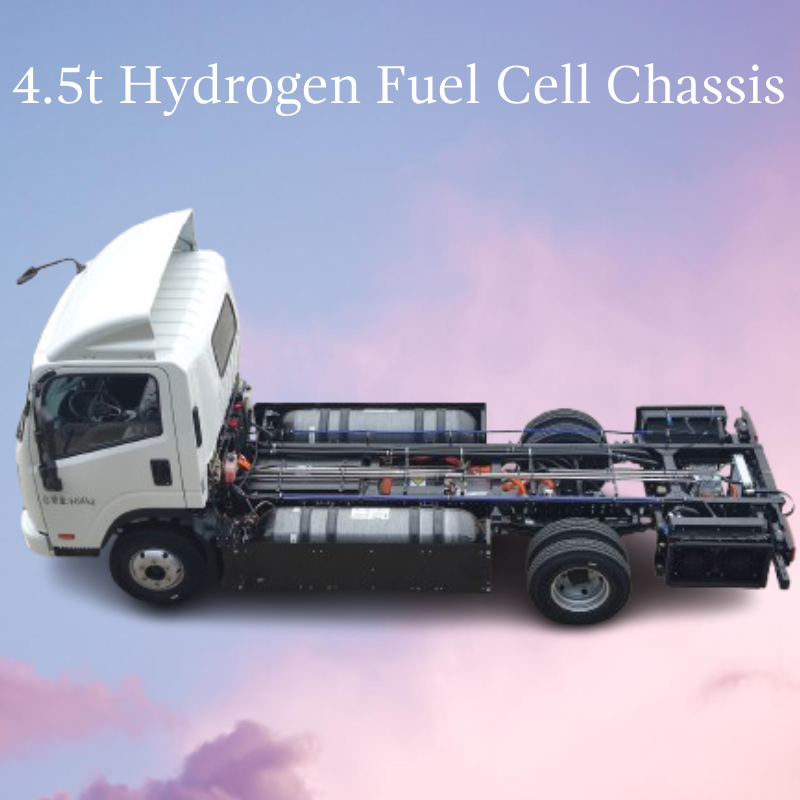
4.5-Ton Hydrogen Fuel Cell Electric Vehicle Chassis
View Specifications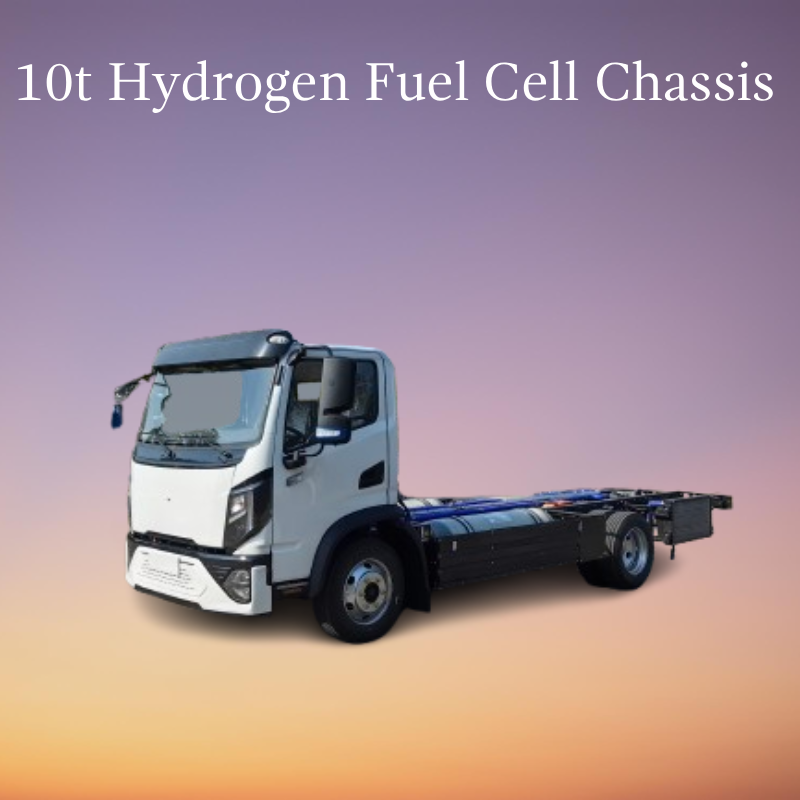
10-Ton Hydrogen Fuel Cell Electric Vehicle Chassis
View Specifications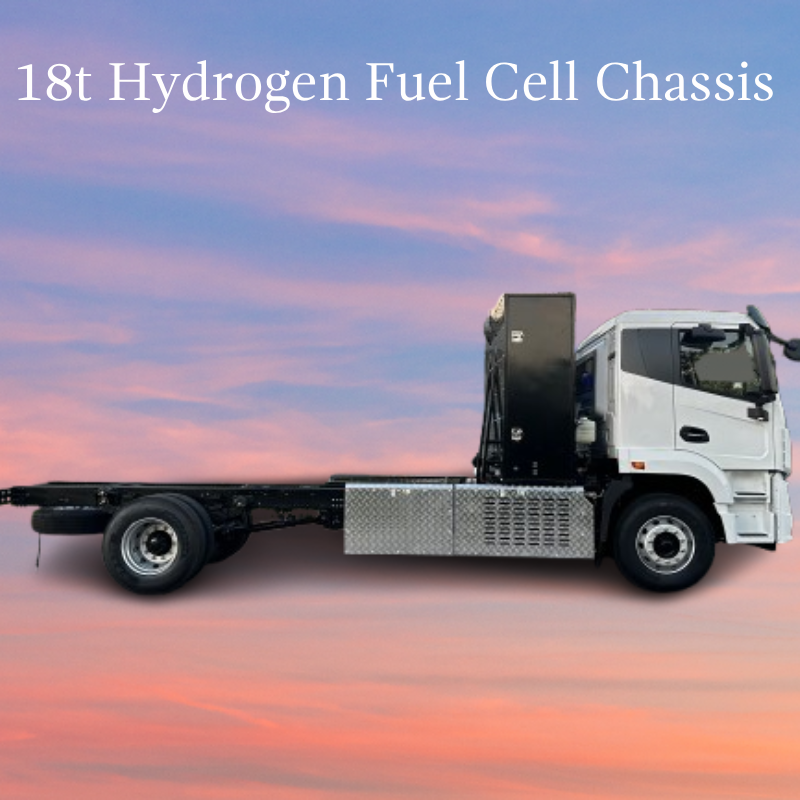
18-Ton Hydrogen Fuel Cell Electric Truck Chassis
View Specifications
4.5T Pure Electric Street Sprinkler Vehicle
View Details
4.5-Ton Self-Loading And Unloading Vehicle
View Details
4.5T Pure Electric Compactor Garbage Truck
View Details
10-Ton PEV Street Sprinkler Vehicle
View Details
10-Ton PEV Dust Suppression Vehicle
View Details
12.5-Ton PEV Compression Refuse Collector
View Details
12.5-Ton PEV Dust Suppression Vehicle
Contact For Details
Yiwei 18-Ton Electric Street Sprinkler Water Truck
View Details
18-Ton Road Sweeper
View Details
18-Ton Refuse Compression Truck
View Details
25T Electric High Pressure Cleaning Vehicle
View Details


